A library, organized for search.
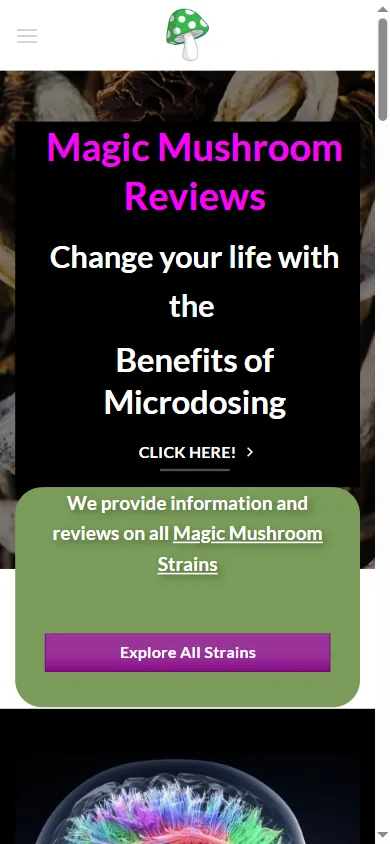
OMushroom is an information and review site for a Canadian audience, covering mushroom strains and microdosing. We developed the website for the client. Its value is in its structure: a large, overlapping subject broken into pages people can find and navigate.
- ProjectOMushroom
- TypeClient information site
- AudienceCanada
- Live siteomushroom.com (opens in a new tab)
The challenge
Information sites succeed or fail on structure.
The subject has dozens of strains with similar names and a long list of questions, from complete beginner to highly specific. Without a clear structure, pages overlap, compete with each other in search, and leave visitors with no obvious next step.
The work
- A strain library: an index page with an individual page for each strain, from well-known varieties to rarer ones.
- A microdosing hub divided into three topic areas: benefits, challenges and guides.
- Long-form how-to guides that answer the most common practical questions.
- Navigation that mirrors the content hierarchy, with Strains, Microdosing and Guides as the top-level menus.
- Google Search Console verification in place for monitoring.
How the structure works
Each strain page focuses on one variety, and each topic hub groups related articles under a single subject. This follows the topic-cluster model: hub pages and focused articles linked together, which helps search engines see the depth of coverage and helps readers move from a general question to a specific answer.
The site, top to bottom
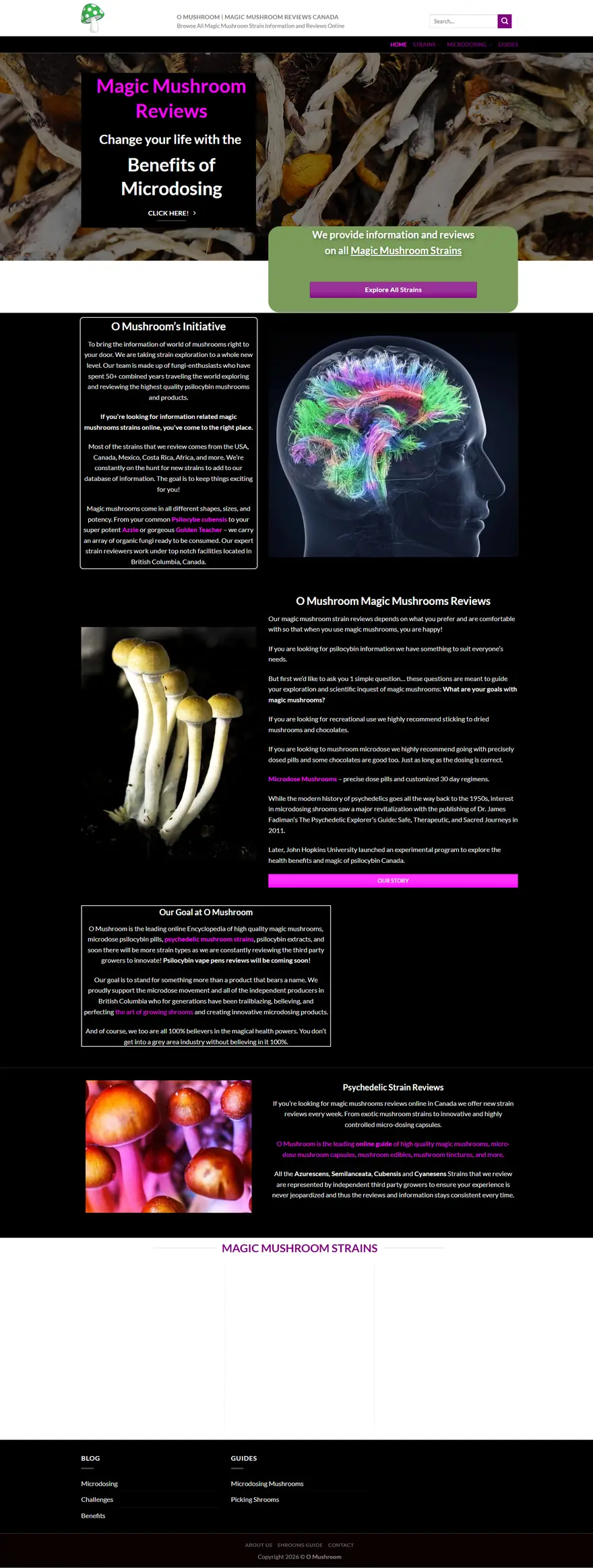
Screenshot of the live homepage, captured November 2026. Scroll inside the frame to view the full page.
What it demonstrates
Content architecture
A large subject divided into a library, hubs and guides, with no two pages trying to do the same job.
Topic clusters
Hub pages and supporting articles linked in a deliberate pattern.
Internal linking
Menus, hubs and in-content links that give every page a path in and a path onward.
Information site development
A site built to publish and organize a growing volume of content.